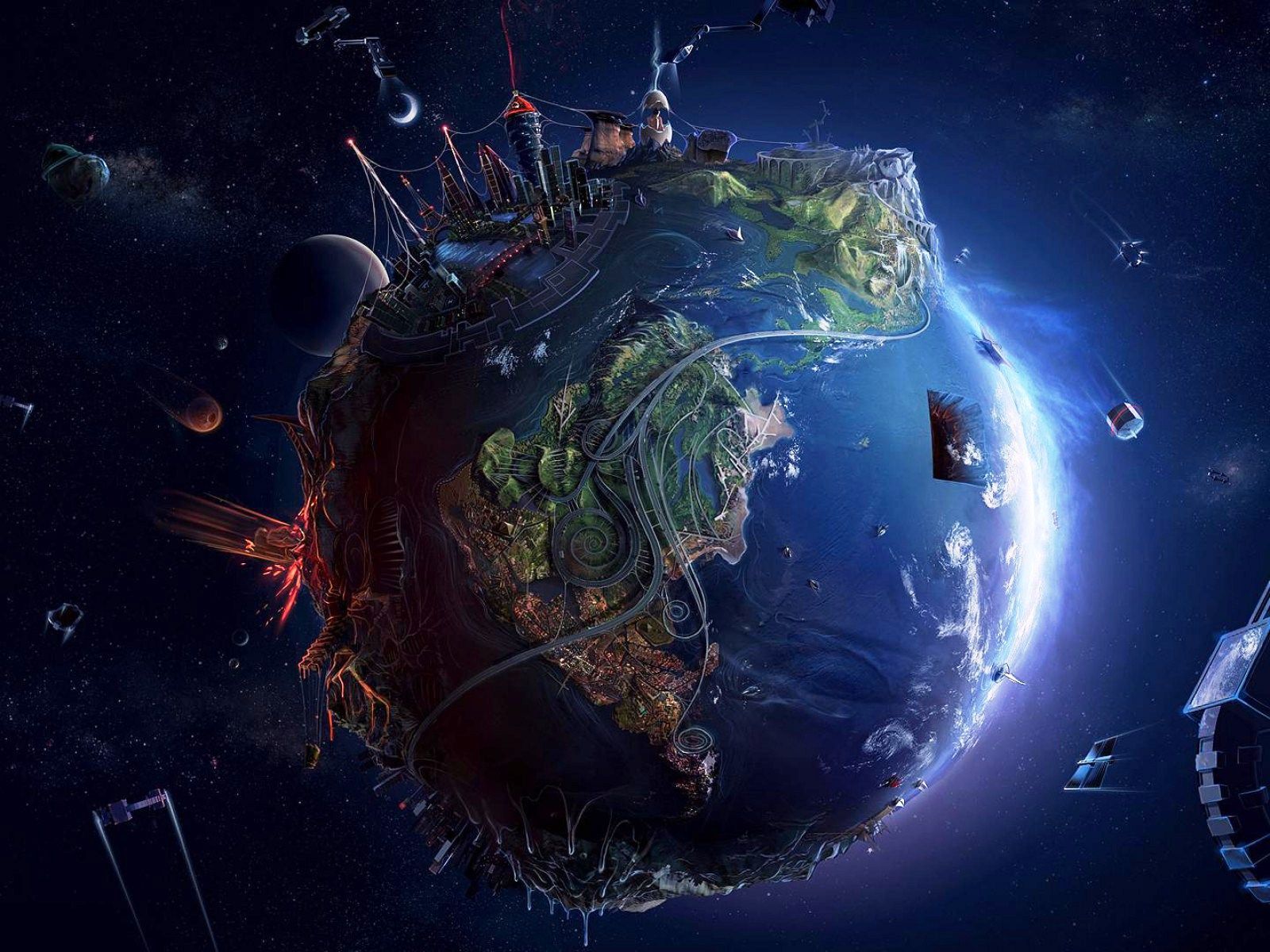
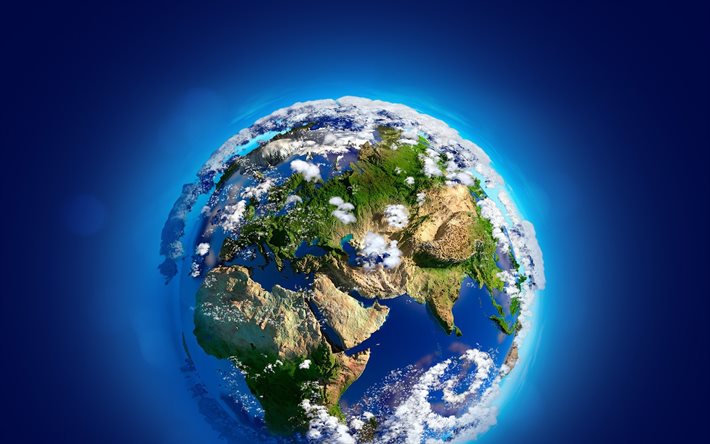
Earth—our home planet—is the only place we know of so far that’s inhabited by living things. It’s also the only planet in our solar system with liquid water on the surface.
Earth is “just right” for life as we know it. The most accessible livable planet for research will always remain Earth. As a result, examining the origins and early evolution of life, as well as the long-term evolution of the Earth’s ecosystems, aids our understanding of why the Earth became habitable and why terrestrial life has survived for billions of years.



The Earth and the Sun are equally vital since the Earth would be a lifeless lump of ice-coated rocks without the Sun’s heat and light. It controls the temperature of water bodies, weather patterns, and plant growth by providing energy. The Earth’s distance from the Sun gives it an ideal place for life to flourish since it receives just the right amount of heat and light to allow life to emerge and thrive.
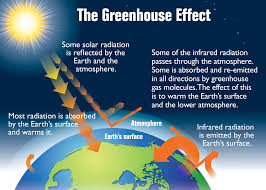
As we know that the Sun is the primary source of energy to the Earth, but the only planet that optimizes the amount of heat and light which is necessary for the life process. Energy can come from many sources including the Sun, chemical reactions, and the natural heat from the Earth. This energy is the fuel for all life. Liquid water, something found in abundance on Earth, is the last needed factor. The Earth has a suitable climate for the existence of all forms of life because of moderate amount of carbon dioxide, which is the driving factor for the survival of life forms.
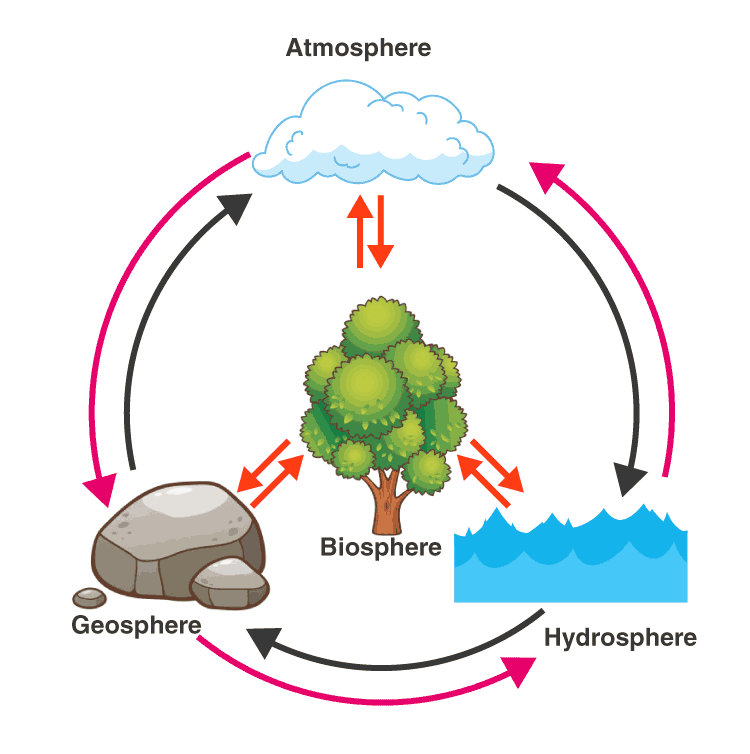
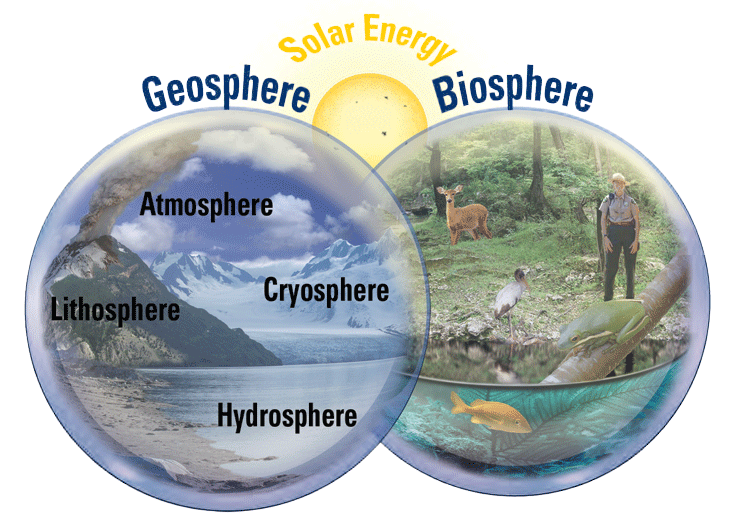
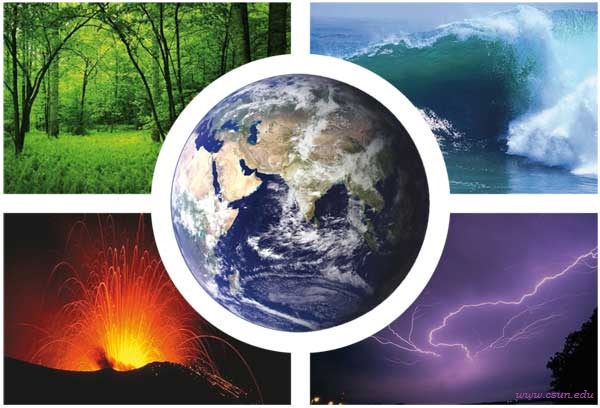
Land, water, living beings, and air are the four basic subsystems that make up the Earth’s system. “Spheres” refers to these four subsystems. The “lithosphere” (land), “hydrosphere” (water), “biosphere” (living things), and “atmosphere” (air) are the four spheres (air).
And I’m sure everyone would be interested in learning more about it. This is where the blog will come to an end. Looking forward to see you on the next upcoming blog!
Tweet
 kristinelifeandearth.science.blog